
On this page5
A single piece carries the whole setup of a production run. Preparing the machine, writing the program and setting the fixture takes the same time for one knife as for a full batch. In a bulk run, that time is shared.
What is fixed effort?
Setup
loading tools, setting zero points, proving the first piece.
Programming
the CNC program is written, simulated and verified.
Fixtures and workholding
the knife must be held without distortion while it is cut.
First-piece inspection
measuring and adjusting before the run continues.
Planning and documentation
routing, material allocation, records.
How quantity changes the picture
The table shows how the fixed effort (call it F) is shared. The figures are an illustration of the principle, not a price.
Pieces in the runFixed effort carried by each piece
- 1
- All of F
- 10
- One tenth of F
- 100
- One hundredth of F
- 1,000
- One thousandth of F
Pieces in the runFixed effort carried by each piece
- 1
- All of F
- 10
- One tenth of F
- 100
- One hundredth of F
- 1,000
- One thousandth of F
Why this matters for a knife
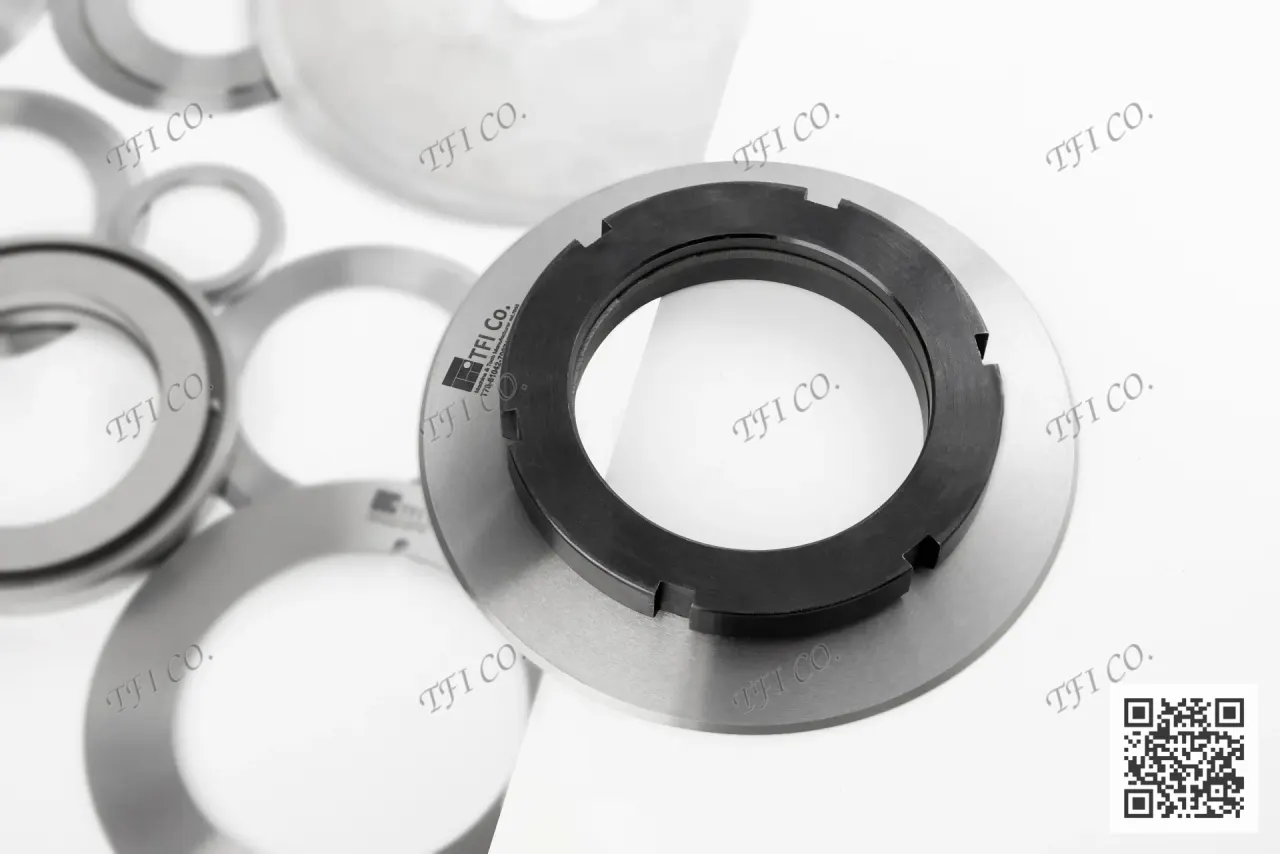
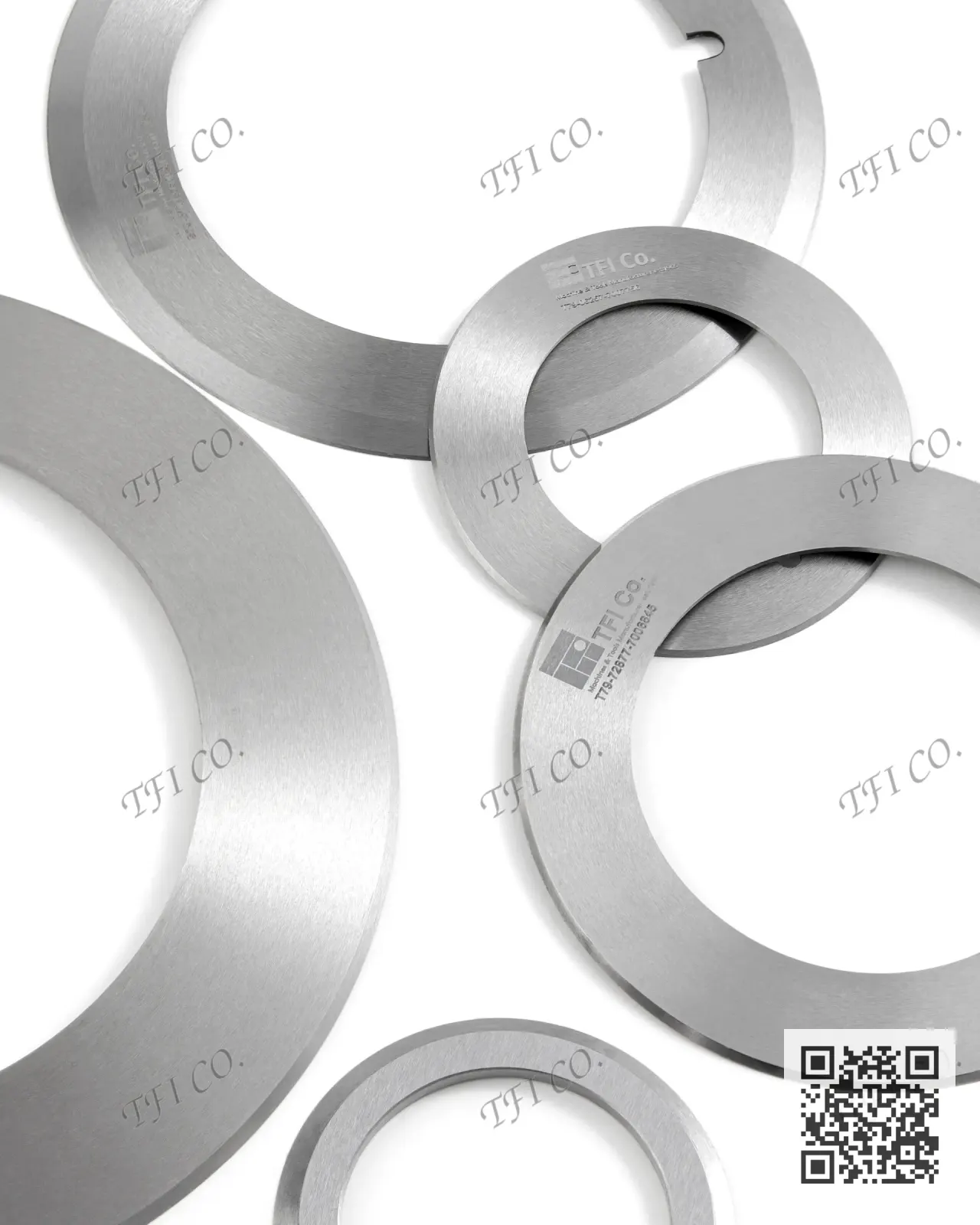
An industrial knife has tight dimensional requirements, such as bore, thickness, flatness and edge geometry. Holding those requirements needs careful setup and a proven program. That is why the same knife becomes more economical as the run grows, and why we prefer to plan it as a production quantity.
How to reduce the cost per piece
Order a production quantity rather than splitting into small repeats.
Keep the design stable so fixtures and programs are reused.
Share a forecast so we can schedule runs efficiently.
Use a supply agreement with scheduled deliveries instead of many separate orders.
Order a production quantity rather than splitting into small repeats.
Keep the design stable so fixtures and programs are reused.
Share a forecast so we can schedule runs efficiently.
Use a supply agreement with scheduled deliveries instead of many separate orders.
Why not just charge a small setup fee?
Setup is real production time. In a run of one, it cannot be recovered any other way than in the price of that piece.
Does a repeat order avoid setup?
Programs and fixtures are kept for repeat production, which helps. A scheduled supply agreement makes best use of them.
Are fixtures reused?
Yes, when the design stays the same. That is another reason to keep specifications stable across a supply agreement.
Discuss a Bulk Supply Agreement
Tell us the part, the quantity per order and the annual volume you expect.
- Section
- Education
- Reading time
- 2 min read
Discuss this with our team
Tell us what you need and our team replies by email.
Send an enquiry